NUTRITIOUS FOOD STARTS AT HOME


www.theminicookingclub.org.uk

Sunday, 19 May 2013

The Nutrition During Pregnancy Programme: Week One

It’s been a busy week for the Mini Cooking Club since the launch of our brand new Nutrition During Pregnancy Programme, which started on Monday 13th May at East Dulwich Community Centre. I went down there to check it out.

It was off to a bit of a wobbly start when we discovered that the community centre put locks on their equipment cupboards for safety, leaving us with no key. Off I popped to the local Co-op to see if they could help.

The first class was a success! The programme was created and is run by our certified nutritionist, Karen Buckley ANutr. On the menu this week was a delicious and surprisingly simple mango and lettuce salad, homemade chips and homemade burgers, both veggie and meat. Dessert was to be Karen’s signature mouth watering banana and carrot muffins.


One of our attendees
It was off to a bit of a wobbly start when we discovered that the community centre put locks on their equipment cupboards for safety, leaving us with no key. Off I popped to the local Co-op to see if they could help.

We started off baking the muffins first, much to the dismay of the weight watchers group in the next room. Next, we prepared the burger mixtures, chopping and blending to create coriander and butterbean for the veggies, and onion and minced beef patties for the meat eaters. We sliced up large baking potatoes for chips, and baked them in the oven along with the burgers.

We had a break for the nutrition class, during which Karen taught the students about the stages of pregnancy and associated physical changes, weight change, The Eat Well Plate, and the necessary nutrients to stay healthy.

After our work was done, we sat down to eat and get to know one another. Thankfully we had cutlery, as the salad covered in lemon juice would have been impossible to pick up with our hands! Sitting down to eat together at the end is one of the key elements of the programme, because it encourages the attendees to discuss their experiences. According to all involved, the first class was a success! You can view more photos here. We headed for home, tired but happy.

As a brand new programme, Nutrition During Pregnancy holds much promise and is the first of its kind. Our aim is to reach out to people who might not otherwise have taken an interest in the food they eat and teach them useful information at such a crucial stage of their baby’s development. It’s also an important way for mums-to-be to network with one another, and make friends.
 
If you are pregnant and looking to learn about the best nutrition for you and your baby, or know someone who is, please email Karen, or call 07779129371. Places are still available.
Our two nutritionists and an attendee
By Catherine Heath

Saturday, 11 May 2013

St Paul’s Cake Sale, 12 May 2013, Covent Garden


HIV remains one of the most significant public healthy challenges today. At the end of 2011, an estimated 96,000 people were living with HIV in the UK (National Aids Trust, 2011). These include about 73,400 people diagnosed with HIV, and 22,600 who were infected but undiagnosed. Treatment for the condition has significantly improved since the 1950s, with life expectancy increasing from a few years to near normal. And with an early diagnosis, a person’s life can be just as happy and fulfilling as anyone else’s.

There are numerous charities dedicated to helping those with HIV. The Food Chain is an innovative charity seeking to promote nutrition education and cookery skills to those living with the condition in London. They have lots of reliable information for those seeking to understand HIV and offer many practical solutions for people living with the condition. The organisation seeks to provide people with access to the nutrition they need to get well, remain well and lead healthy, independent lives. They also deliver meals and other food to people at home, hold cooking and nutrition classes, and offer communal eating opportunities to people living with HIV and their dependents.

Charities like The Food Chain always need more funds, and this Sunday 12th May, The Mini Cooking Club is teaming up with them to host St Paul’s Cake Sale at Covent Garden, part of the ‘Covent Garden May Fayre and Puppet Festival.’ We will be offering delicious homemade banana bread, cupcakes, carrot cake and bread rolls in exchange for a donation. Our day will start at 10am, in time for the colourful procession at 11am. We hope to see you all there. Find out where we’ll be.
To find out more about The Food Chain initiative or get involved, go to their website.


By Catherine Heath

Monday, 6 May 2013

Help is Here: The Nutrition During Pregnancy Programme

Our nutritionist, Karen, and one of our volunteers
Are you expecting a baby, and concerned about the health of you and your child? The Mini Cooking Club is here to help. 

Pregnancy is both an exciting and stressful time, during which hormones can seem out of control and the body is craving all sorts of food. Diet can seem like a minefield, and reading dozens of lengthy nutrition books can be the last thing you want to do. 

That’s why our nutritionist, Karen Buckley, has designed the Nutrition During Pregnancy Programme. On this free six week course, you will learn about the different stages of pregnancy and associated physical changes. 

Karen will teach expecting mothers about the best eating practices to prepare body and mind for childbirth, and ensure your baby has the best start to life. This opportunity involves learning about the best food provision pre and post-birth, for you and your child. 

You will also learn about weight change, the Eat Well Plate and in-depth information about essential nutrition, danger foods, and religious or meat-free diets. You will learn about the benefits of exercise, what to avoid, post-birth nutrition and breastfeeding. 

The Mini Cooking Club welcomes people into the kitchen for hands-on cooking classes, and attendees have the opportunity to participate fully in the food preparation process under the supervision of our chefs. These classes are designed to be fun, creative and above all informative about food products and different cooking methods.

The classes provide people living in the London community with opportunities to learn nutrition and cooking skills. The Nutrition During Pregnancy Programme is the first of its kind, and completely free. The course is open to all pregnant women, starts Monday 13th May and runs for six weeks at East Dulwich Community Centre. We're excited to see you there!

Places are still available, so book yours now. Email Karen, or call 07779129371.


Our founder, Cecilia (far left)

By Catherine Heath

Sunday, 28 April 2013

Understanding Coeliac Disease


Gluten free snacks
Gluten is a protein composite ingredient found in wheat and other grains. One in every hundred people living in the UK is intolerant to it, and this condition is known as “coeliac disease”. The digestive system is unable to break down any amount of gluten and so consumption causes digestive issues such as nausea, diarrhoea and stomach cramps. Long-term effects of undiagnosed or untreated coeliac disease include infertility and nutrient deficiencies.

The only treatment is a completely gluten-free diet. Although very effective, it can be difficult in practice because the condition is not universally acknowledged. Unfortunately, gluten is found in common foods such as bread, pasta, cereals and cakes. Surprisingly, most brands of oven chips and sausages have added gluten, as do beer, soy sauce, ketchup and ice cream, to name a few. These foods should be avoided, or replaced with gluten-free alternatives.


In overseas markets, a gluten-free diet is catered for almost as readily as vegetarianism. In the UK, coeliac sufferers find it hard to eat out in restaurants and on-the-go, as gluten-free food is not very affordable or widely available. Many people are restricted to eating salads for lunch in the city, since most mainstream brands and companies are unaware of the demand for gluten-free products. Coeliac disease is slowly becoming more widely understood and accounted for in British culture but we are still far behind places like America and Europe. It really should be much simpler for coeliac sufferers to maintain a healthy diet.


There are already a few gluten-free alternatives to bread, pasta, cereal, biscuits and cake available in the UK, produced by brands like Dove’s Farm and Genius. There are also a few other established brands like Mrs Crimbles and Eat Natural whose recognisable logos make shopping a bit easier. Waitrose, Marks and Spencer Asda provide the biggest product ranges that are also labelled as gluten-free. South Londoners can also shop at smaller chains like Whole Market Foods in Clapham, which sells many gluten-free products, and check out Planet Organic in central London.

People with coeliac disease can also obtain gluten-free food on prescription from the NHS, available through your doctor. The foods on offer are generally dietary staples such as bread and pasta, rather than biscuits and cake items, and the list has been agreed by a body called the Advisory Committee on Borderline Substances (ACBS). Make sure you’ve approached your GP about this option if you are a sufferer.  

Widely recognised gluten free symbol
You can find many useful sources of information via the internet written by coeliacs themselves. Blogs like Gluten Free Guerrillas and Gluten Free London offer reviews and lists of coeliac-friendly restaurants, shops and recipes in an accessible format.

Please visit www.coeliac.org.uk for lots of reliable information and advice. If you think you might have undiagnosed coeliac disease, please make an appointment with your GP to confirm or rule it out as soon as possible. 

By Catherine Heath

Sunday, 21 April 2013

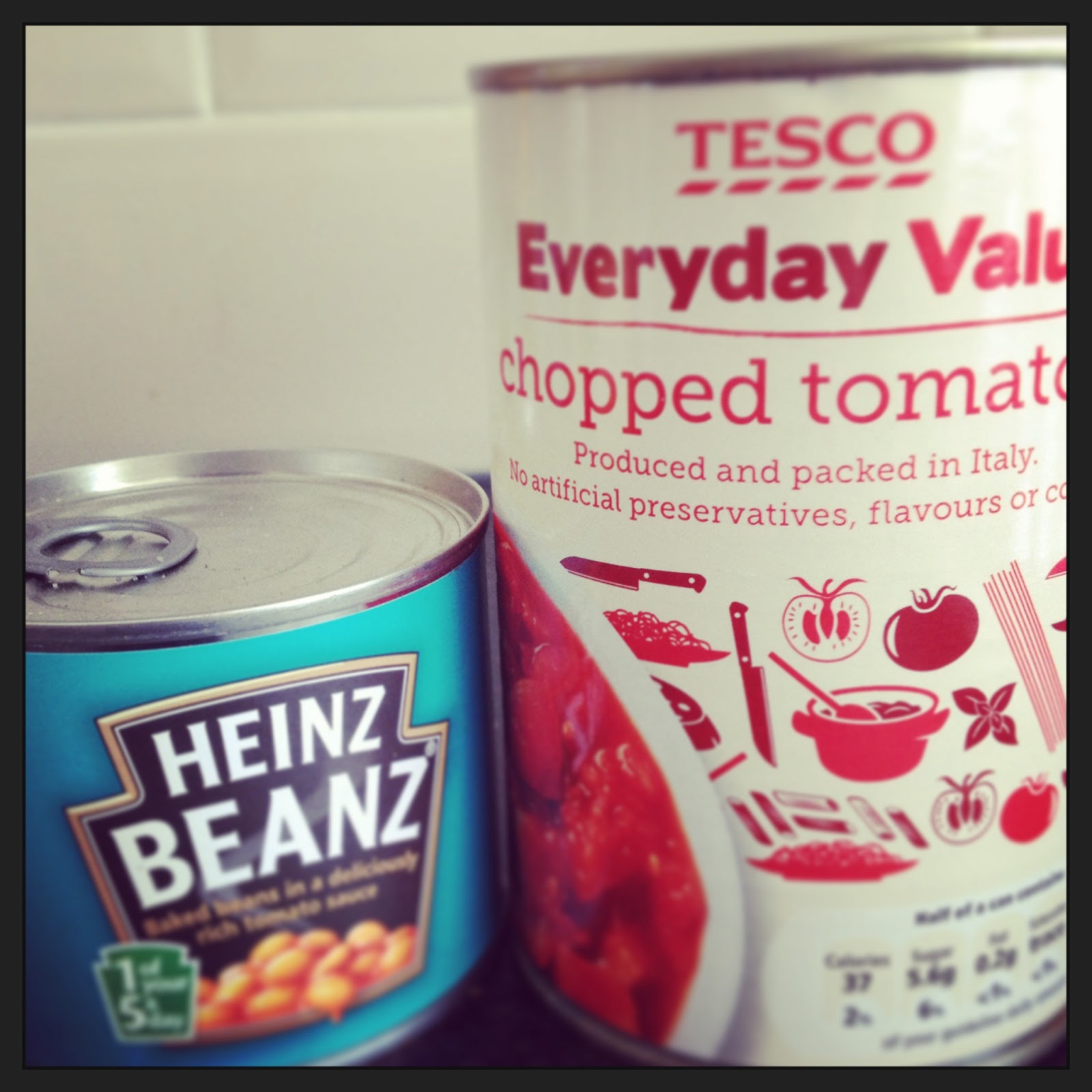
Canned Food Week


Did you know that the method of preserving food in cans was invented in France, in roughly 1810, when the French military were looking a new way to make food last longer? Nicolas Appert suggesting canning and won a cash prize of 12,000 francs. The practice spread across the world, and revolutionised food processing. Demand for cans rose dramatically during World War One, and has remained popular ever since, especially in times of economic recession. This April  marks the first Canned Food Week (April 15-22).

Run by not-for-profit organisation Canned Food UK, it uniquely celebrates any food that comes in a can. Interestingly, statistics show that the canned food market is growing faster than any other grocery sector. People are buying more cans than ever before.

The canning process often captures more of the good stuff than fresh produce on the supermarket shelves. They often contain more essential nutrients and dietary fibre than fresh foods due to the way they are processed for packaging. Tinned food makes life easier as it comes pre-prepared, and makes a tasty addition to many meals. Another of canned food’s many benefits is a long shelf life, which comes in handy if you don’t have time to run to the shops, and saves space in the fridge.  An easy way to get one of your five a day is through canned peaches, pears or cherries (much cheaper than their fresh alternative). Go for a can of value vegetables if otherwise you’d end up buying none at all.

Check out Canned Food UK’s website for recipes to try containing canned goods. Get that can opener ready and remember to recycle the packaging!

By Catherine Heath

Monday, 1 April 2013

Pregnancy: Changing Nutritional Needs


I have never thought more about food than when I was pregnant.  And that is saying something.  A friend once told me that either I am thinking about what I am about to eat, or what I have just eaten.  This time, though, it was not down to appetite (or lack of) but due to pregnancy issues.  Everyone’s 9 months are different, of course, but here are a few of the hurdles I had to waddle over...

FIRST TRIMESTER
The joys of morning sickness (or noon, or night sickness)! As soon as my pregnancy test pinged positive, I was nauseous.  And it was not just a mildly sick feeling but an all-the-time salivate in the mouth sensation.  I was sure my taste buds had been replaced by an alien’s.  Going to the supermarket was a torturous routine. If I was not left cold by the tomatoes, or retching at the sight of eggs, I was gagging in the raw meat aisle.  Cooking was another form of hell.  I could no longer handle uncooked chicken and the smell of beef frying was absolute no-no. 

My answer: to delegate.  You are pregnant for goodness sake and snacking on rich tea biscuits is not going to get the nutrients you need into your baby.  Mr Sainsbury’s now arrived in a van with weekly supplies.  Hubbie was roped in to preparing and cooking the meat.  Finances permitting, I popped into a deli or cafe a few times a week and ordered something I could stomach.  Often I did not know what mystery foodstuff that would be until I scanned the menu.  And I snacked on oranges – citrus being one of the few flavours that was a friend to my body.

SECOND TRIMESTER
A couple of weeks into my second trimester and hey presto, no more morning sickness.  I was one of the lucky ones – I have friends who felt ill their entire pregnancy.  But now I had a different food problem to tackle.  The midwives told me I was deficient in iron, key for the growing foetus’ health and really important for mum too, due to blood loss at birth. 

Most pregnant women would reach for iron tablets, but these “clog” me up.  Instead, I discovered liquid iron made from fruit extract (Vital F by Hubner), which tastes great and is non-constipating.  I also researched a few dietary changes – Vitamin C helps you to absorb iron, but this can be cancelled out if you drink caffeine at the same time.  So breakfast now consisted of herbal tea instead of builder’s brew, fruit salad, and cereal sprinkled with sunflower seeds that are rich in iron.  I upped my intake of red meat, greens and even baked beans. Within a month or so, my midwives were happy with my iron levels and I was given the all clear (ta da!) 

THIRD TRIMESTER
My thoughts were now turning to the main event.  It was also Christmas and I was happily gorging myself on festive treats (“Eating for two!”).  But around this time, I started itching all over the top half of my body.  I would wake up clawing at my skin for some relief – much the same as having chicken pox.  Severe itching in pregnancy can be related to a condition called obstetric cholestasis or O.C, which affects fewer than one in a hundred women.  Pregnancy hormones can affect your liver function and bile salts, which are normally flushed away, get deposited under the skin.  And while O.C is not harmful to mum, it can be very harmful to unborn infants. 

I had to have weekly blood tests and hospital visits to monitor the bump.  Fortunately, the tests results were all clear; but this did not mean the condition could not still develop – I had many of the symptoms.  As a preventative measure, I did everything I could to improve my liver function.  I reduced my fat intake, ate less sugar (which converts to fat) and less salt.  And at the very time in your pregnancy when you want eat comfort food.

So, I baked meat and fish, which I’d normally fry in the pan, and cooked onions with the tiniest amount of oil and a dash of water (this works surprisingly well).  Crisps were banned from the snack cupboard and bags of raw almonds took their place. Still needing my sweet fix, I substituted anything with added sugar for treats with natural sugars, like honey and liquorice. In fact, I was amazed how easy it was to eat healthier.

Thankfully my hospital tests remained in the clear and the suspected condition did not develop.  Much to my relief, in February, I gave birth to a very healthy and happy little girl.

Pregnancy can raise all sorts of food issues.  If you’ve got concerns about getting the nutrients you need and live in South London, contact the Mini Cooking Club, which is doing classes for pregnant women from May 2013.

By Paula

Friday, 22 March 2013

Nutrition During Pregnancy Programme


The Mini Cooking Club will continue to offer educational cooking workshops to families, children and those with mental health concerns. Our future plan is to provide a similar service for pregnant women, so watch this space!

Last year, after discussion with parents and healthcare professionals, it became apparent that there was a lack of these workshops for pregnant women in many London areas. It is highly important that these women have optimum health and nutrition - not just during pregnancy, but afterwards too.

The Mini Cooking Club has therefore decided to offer educational cooking workshops to pregnant women as it is believed that this will not only offer women the opportunity to learn about the benefits of good nutrition for their own health, alongside that of their families.

We are still in the process of developing the 6-week Nutrition during Pregnancy programme, but here is a sneak preview for all the eager beavers:

• Healthy eating and pregnancy – based on the Eatwell plate in relation to the different stages of pregnancy, with a focus on vitamins and minerals.
• Foods to avoid (and foods to consume in moderation e.g. certain animal products, caffeine).
• Food safety and hygiene – preparation, storage, cooking and eating out.
• Specialist diets – cultural and religious (e.g. vegan, halal).
• Pregnancy and exercise – resolve any concerns and provide exercise advice
• Breastfeeding and weaning – healthy eating advice after the birth and weaning portion sizes.

In addition to the above, each session will also contain a cooking workshop. It is hoped that by educating women and providing them with the skills to cook food at home, there will be less reliance on unhealthy foods and an enjoyment of home cooking that will contribute to family growth and development.